We use cookies to make your experience better. To comply with the new e-Privacy directive, we need to ask for your consent to set the cookies. Learn more.

OSHA Forklift Violations in NEP Warehouse Inspections
July 10, 2024
|
Categories: Blogs, Manufacturing, OSHA, Material Handling, Forklifts, Management, Safety
In 2023, OSHA introduced a three-year national emphasis program (NEP) to direct resources towards warehouses, distribution centers, processing facilities, and high-risk retail establishments.
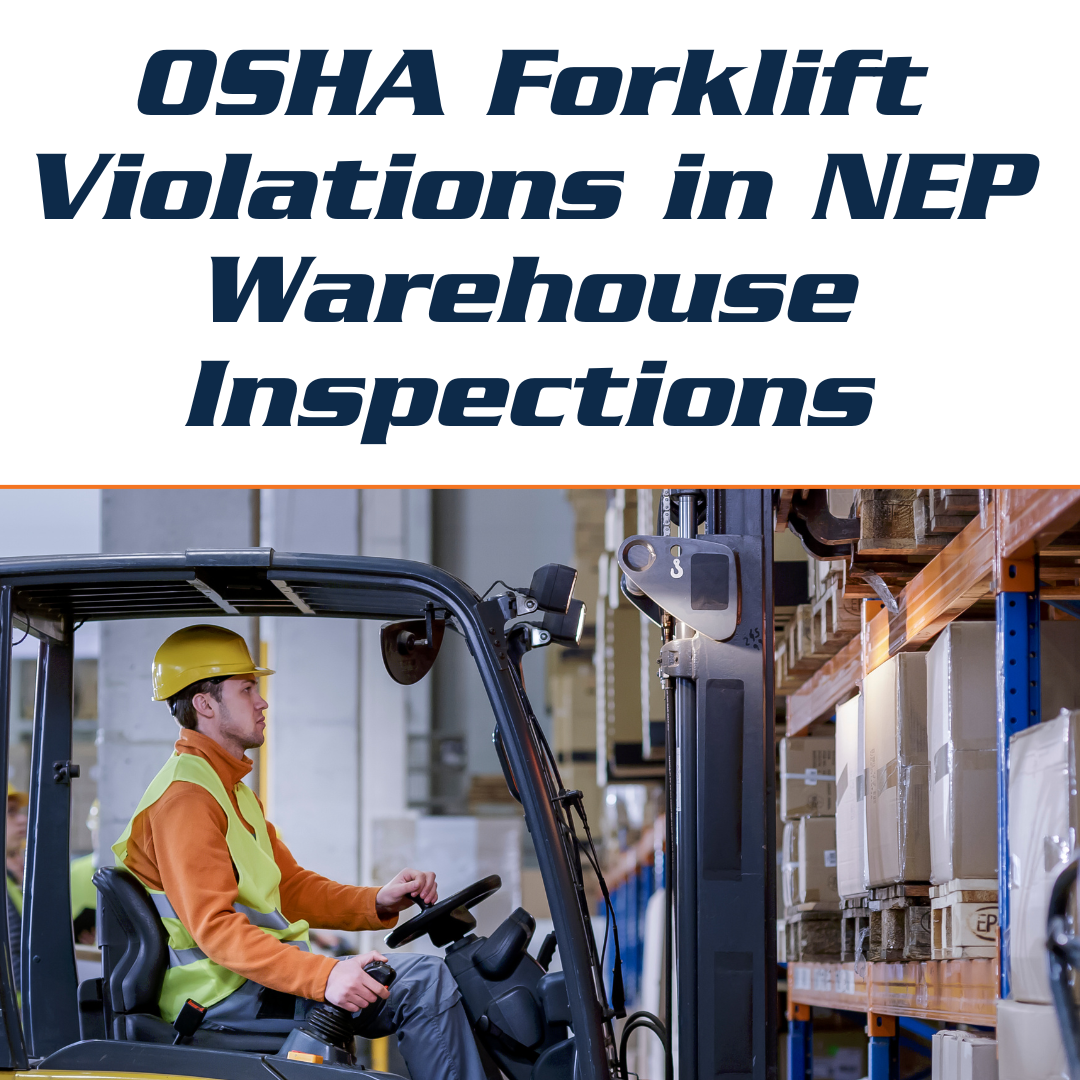
Now, the Administration has released some statistics about the program’s inspections. To date, OSHA has led over 600 inspections under the program and proposed $2.4 million in penalties — and powered industrial trucks (including forklifts) are responsible for a significant percentage of violations.
OSHA Forklift Violations Have Major Consequences for Operations of All Sizes
On one hand, it’s unsurprising that OSHA forklift violations have received special attention; incidents involving powered industrial trucks are regularly in the mix for the most frequently cited OSHA standards. OSHA's forklift regulations include over 150 individual rules, as listed in standard number 1910.178 - Powered Industrial Trucks.
But most forklift violations are entirely preventable. They’re also potentially disastrous: OSHA estimates that between 35,000 and 662,000 forklift-related injuries occur annually, causing an average of 87 worker fatalities per year.
Employers can prevent most accidents with common-sense precautions:
1. Train and retrain workers.
Ensure that every industrial truck operator is qualified to handle the equipment. Document your comprehensive forklift training program. Provide refresher training on a regular schedule. This helps to comply with OSHA's forklift refresher training requirements. It also helps to prevent forklift safety violations of all types.
2. Test forklift operators for key safety information.
Make sure all forklift drivers understand each forklift's capacity and proper methods for securing loads. Lack of knowledge creates unsafe operations.
3. Define forklift travel routes.
Make sure pedestrians understand forklift blind spots; limit other vehicle traffic when the forklift is in use. Predefined travel lanes for all forklift types make it easier to comply with OSHA's forklift safety requirements.
4. Clear travel lanes of overhead obstructions.
Mark areas where lift rider trucks and other cannot access due to low ceilings or other low-hanging objects.
5. Educate forklift operators on proper use of PPE.
Ensure that forklift operators understand how to properly doff and don personal protective equipment (PPE), including hard hats, reflective vests, safety-toed footwear, and safety gloves.
While operators are largely responsible for forklift safety, they're not the only workers at risk. Forklift battery rooms are a subject of concern for OSHA inspectors and to prevent a costly violation, it's wise to review your battery room for potential hazards.
Related: Preparing Your Warehouse for a Surprise OSHA Inspection
When Preparing for an OSHA NEP Inspection, Start in the Battery Room
Charging, changing, washing, and watering batteries carries an inherent level of risk. Just as you wouldn’t allow an unqualified worker to operate a lift truck, you shouldn’t allow unqualified workers to perform key battery room tasks without appropriate training.
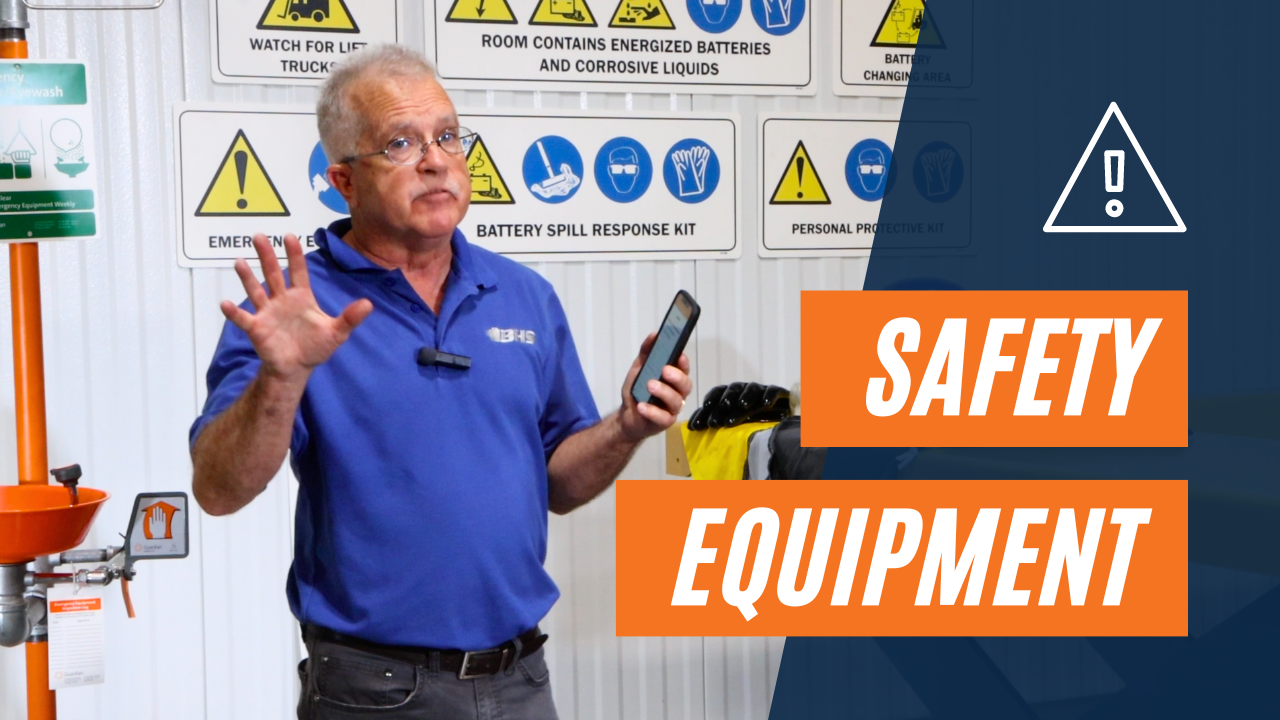 |
| Watch Now: Forklift Battery Room Safety Equipment | Material Handling Minute |
Of course, OSHA’s battery room requirements are extensive, and this article is not intended as a comprehensive roadmap for compliance. However, you can address many common OSHA forklift violations by assessing your battery room for common hazards:
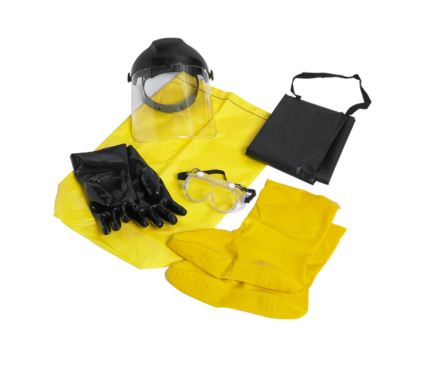
- Ensure that employees have appropriate PPE. OSHA standard 1926.441(a)(5) requires that employers provide “face shields, aprons, and rubber gloves" for workers who handle acids and/or batteries. BHS provides the Personal Protective Kit to help employers meet this standard.
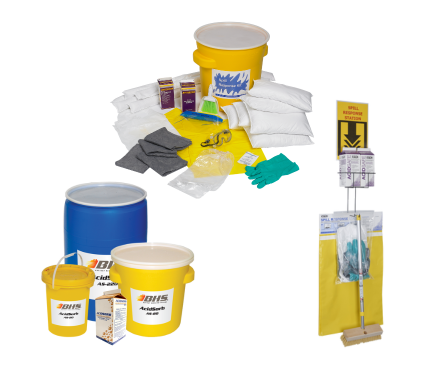
- Ensure that battery rooms are equipped with spill kits, fire extinguishers, and barriers that protect battery chargers from forklift impact.
- Ensure that battery charging areas have adequate ventilation and hydrogen detection equipment.
- Provide ergonomic, well-maintained battery handling equipment. BHS provides a range of battery handling solutions, all of which are designed for safe and efficient performance.
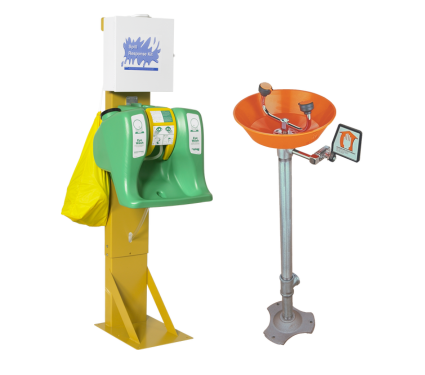
- Provide emergency eye & safety stations within 25 feet of battery handling areas.
For additional guidance, review our four-part series on OSHA standards in the battery room:
- OSHA Standards in the Battery Room - Part One: Introduction to OSHA Regulations
- OSHA Standards in the Battery Room — Part Two: OSHA 1910.178(g)
- OSHA Standards in the Battery Room — Part Three: The Rest of OSHA 1910
- OSHA Standards in the Battery Room — Part Four: Construction Industry Standards
BHS provides ergonomic material handling solutions for operations of all sizes. From custom battery room design to personal protective equipment, we’re here to support your OSHA compliance strategy — and help you find more efficient ways to manage your lift truck fleet. To learn more or to find a local dealer, call 1.800.247.9500.
 |
 |
 |
Eye & Safety Stations |
Personal Protective Kit (PPE Kit) |
Battery Spill Kits |
